
The markets of New Zealand, Australia, Brazil, and Uruguay, which import beef and mutton, are so fie
The current title is
The current title is "New Zealand, Australia, Brazil, Uruguay, and their markets for imported beef and mutton from Grasshome Food are so fierce"
The original title "The Three Hot Countries: The Market for Imported Beef Exports is So Intense"
Australian beef export prices remain high
Similar to the United States, Australian calves generally adopt a grazing and free range breeding method, mostly for individual households, while the fattening process is highly concentrated and generally large in scale. The capacity of large-scale fattening farms with over 1000 heads accounts for about 90% of the total fattening farm capacity, and the actual number of stocks exceeds 90%. The capacity and actual number of cattle on hand in large-scale fattening farms with over 10000 heads have exceeded 50%.
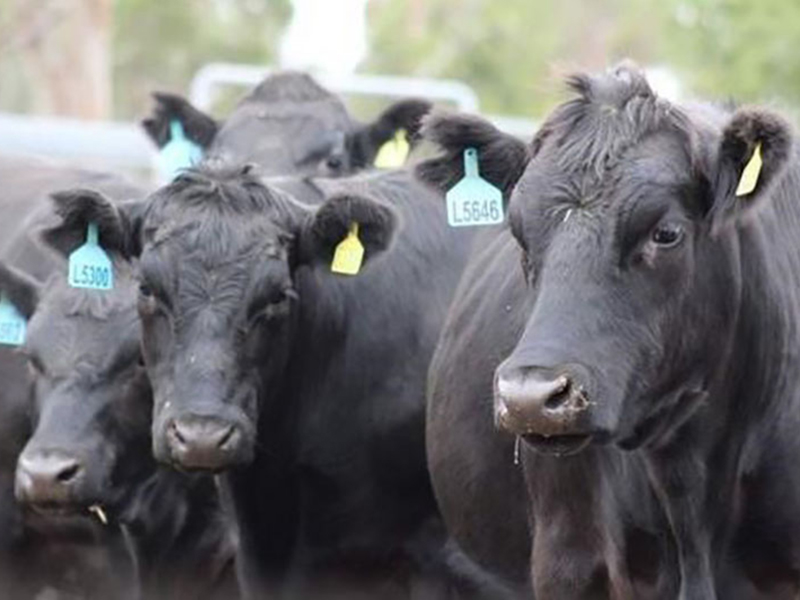
The total export volume of Australian beef plays a crucial role in global exports and is also the largest source country of imported beef from China.
The top five in terms of total exports are 362000 tons (34%) from the United States, 238000 tons (22%) from Japan, 134000 tons (12%) from South Korea, 120000 tons (11%) from China, and 35000 tons (3%) from Canada. In recent years, due to the soaring domestic beef prices in the United States and the decline in production and inventory, the proportion of Australian beef exports to the United States has been continuously increasing, while China's import volume has remained around 10%.
The proportion of Australia's export volume to domestic production has also been increasing year by year. In the first three quarters of 2015, the export volume was about 55% of the total domestic production, an increase of 7 pct year-on-year. In terms of export prices, the increase in foreign import demand has led to a decrease in domestic cow inventory, resulting in limited slaughter volume and a rise in beef export prices. In the future, due to the sustained effects of these reasons, the export prices of Australian beef will continue to operate at high levels.
The competition in the Uruguayan beef market is becoming increasingly fierce
Uruguay's cattle farming adopts a natural grazing form, and there is no occurrence of foot-and-mouth disease or mad cow disease, so it has always been one of the approved sources of imported beef in China. After reaching its peak in 2012, Uruguay's beef exports have been declining annually since 2013. China has been the largest destination country for Uruguay's beef exports since 2013, reaching 27% in the first three quarters of 2014.
Chinese traders turning to the Uruguayan market are mainly due to their relatively low prices and the increasingly fierce competition in the Australian beef export market.
The price of New Zealand cattle is greatly affected by fluctuations in milk powder prices
New Zealand, due to its unique conditions and the ability to replace fattened cows with eliminated cows and directly enter the slaughtering process, has become one of the sources of imported beef for China due to the absence of epidemics, although its total export volume is not high.
Due to New Zealand's unique geographical conditions, it will continue to be one of the sources of imported beef for our country. However, its own production is not high, and the focus of New Zealand's cattle industry is mainly on dairy cows and milk powder processing, with cow prices greatly affected by fluctuations in milk powder prices.
Due to the varying degrees of decline in the inventory of beef cattle in major exporting countries in recent years, this is mainly attributed to the drought in previous years, which resulted in a large number of slaughtered beef cattle in many production areas. The relatively long breeding cycle of beef cattle has led to slower restocking speed. Another reason is the growing demand in emerging markets for beef with higher protein content, which has pushed up international beef prices. Based on the above two reasons, the world trade beef prices will continue to remain high next year.
Grasshome Food imports beef and mutton from New Zealand, Australia, Brazil, Uruguay, and Grasshome Food's imported beef and mutton are traceable, standardized, and high-quality fresh beef and mutton.
This article is partially sourced from the internet. If there is any infringement, please contact the website management personnel of Grasshome Group to delete it.
;)